


Hyperpigmentation Remedies: Natural Ways to Fade Dark Spots

Updated: 5 days ago
Dark spots, uneven patches, and lingering marks from old breakouts can be frustrating, especially when they seem to stick around no matter how many creams you try. Hyperpigmentation is one of the most common skin concerns we hear about, and while it is often treated as a surface problem, the skin is closely tied to what is happening inside the body. In this post, we look at why pigment can become uneven, why harsh lightening products may not be the answer, and how nutrition and gentle care can help support a brighter, more even complexion.
What Is Hyperpigmentation?
Your skin color comes from melanin, a pigment produced by specialized cells called melanocytes. Their job is protective: when skin is exposed to stress such as UV light, inflammation, or irritation, melanocytes produce more melanin to shield deeper layers. Hyperpigmentation happens when that process becomes uneven, and certain areas produce more pigment than the surrounding skin.
Common types include sun spots (sometimes called age spots), melasma, which is often linked to hormonal shifts such as pregnancy, and post-inflammatory hyperpigmentation, the darker marks that can remain after acne, a rash, or an injury has healed. While each has its own triggers, they share a common thread: melanocytes responding to stress and oxidative damage.
Why Harsh Lightening Products May Backfire
Many people reach for strong bleaching or skin-lightening products in hopes of fading spots quickly. The concern is that aggressive agents may do more than lighten pigment. Some can irritate the skin or even damage the melanocytes themselves, which can lead to blotchy results, sensitivity, or patches that look lighter than the rest of the face. Irritation is itself a trigger for more pigment, so an overly harsh routine can sometimes create a frustrating cycle.
A gentler approach focuses on calming inflammation, supporting the skin's natural renewal, and giving melanocytes what they need to function in a balanced way.
The Vitamin D Connection
One factor that may be overlooked is vitamin D. Research suggests that vitamin D plays a role in regulating melanocyte activity and has antioxidant properties that can help protect skin cells from oxidative stress. When vitamin D levels run low, the skin may be less able to keep pigment production in balance.
There is a bit of a paradox here. Many people avoid the sun entirely to prevent dark spots, but sunlight is the body's main way of making vitamin D. Avoiding all sun exposure may leave some people with lower vitamin D levels over time. Some practitioners suggest that standard daily recommendations may be lower than what certain people need, and that higher amounts of vitamin D3 can help support skin health. Because the right amount varies widely from person to person, it is wise to have your levels tested and to work with your provider before increasing your intake.
Moderate, sensible sun exposure without burning can be part of a healthy routine for many people. The key word is moderate: burning and repeated intense exposure can make pigment concerns worse, so protecting your face during long periods outdoors still matters.
Nutrients That Can Help Support Even-Toned Skin
Because oxidative stress is a major driver of uneven pigment, a diet rich in antioxidants and skin-supporting nutrients can make a real difference over time. Key building blocks include:
Quality protein, which provides the amino acids your skin needs to repair and renew itself.
Zinc, which supports wound healing and may help the skin recover from inflammation.
Copper, a trace mineral involved in healthy pigment regulation and collagen formation.
Iodine, another trace mineral that supports overall cellular health and metabolism.
B vitamins, which help support cell turnover and energy production in skin cells.
Vitamin C, a powerful antioxidant that can help brighten skin and support collagen.
Vitamin E, which works alongside vitamin C to protect cell membranes from oxidative damage.
Whole foods such as pasture-raised eggs, seafood, leafy greens, colorful vegetables, berries, nuts, and seeds can supply many of these nutrients. If you suspect gaps in your diet, a provider can help you decide whether testing or supplementation makes sense for you.
A Simple At-Home Yogurt Mask
For a gentle topical option, plain yogurt may be worth trying. Yogurt naturally contains lactic acid, a mild alpha hydroxy acid that can help loosen dead skin cells on the surface, allowing fresher skin to show through. It also contains beneficial bacteria that may support a healthy skin microbiome.
To try it, choose plain, unsweetened yogurt, ideally organic and from grass-fed sources, without added flavors or sugar. Apply a thin layer to clean skin, leave it on for about five minutes, then rinse with lukewarm water. Start with once a week and, if your skin tolerates it well, you can increase to two or three times a week. For an added antioxidant boost, some people mix in a small pinch of turmeric, though be aware that turmeric can temporarily tint lighter skin and fabrics.
As with any new product, do a patch test first, especially if you have sensitive skin or a dairy sensitivity.
Patience and Consistency Matter
Pigment that has built up over months or years usually fades gradually. Skin renews itself in cycles of several weeks, so it can take a couple of months of consistent nutrition and gentle care to notice a change. Combining an inside-out approach with treatments that support circulation and cell renewal can help you get the most from your efforts.
How Ocean Ki Wellness Can Support Your Skin
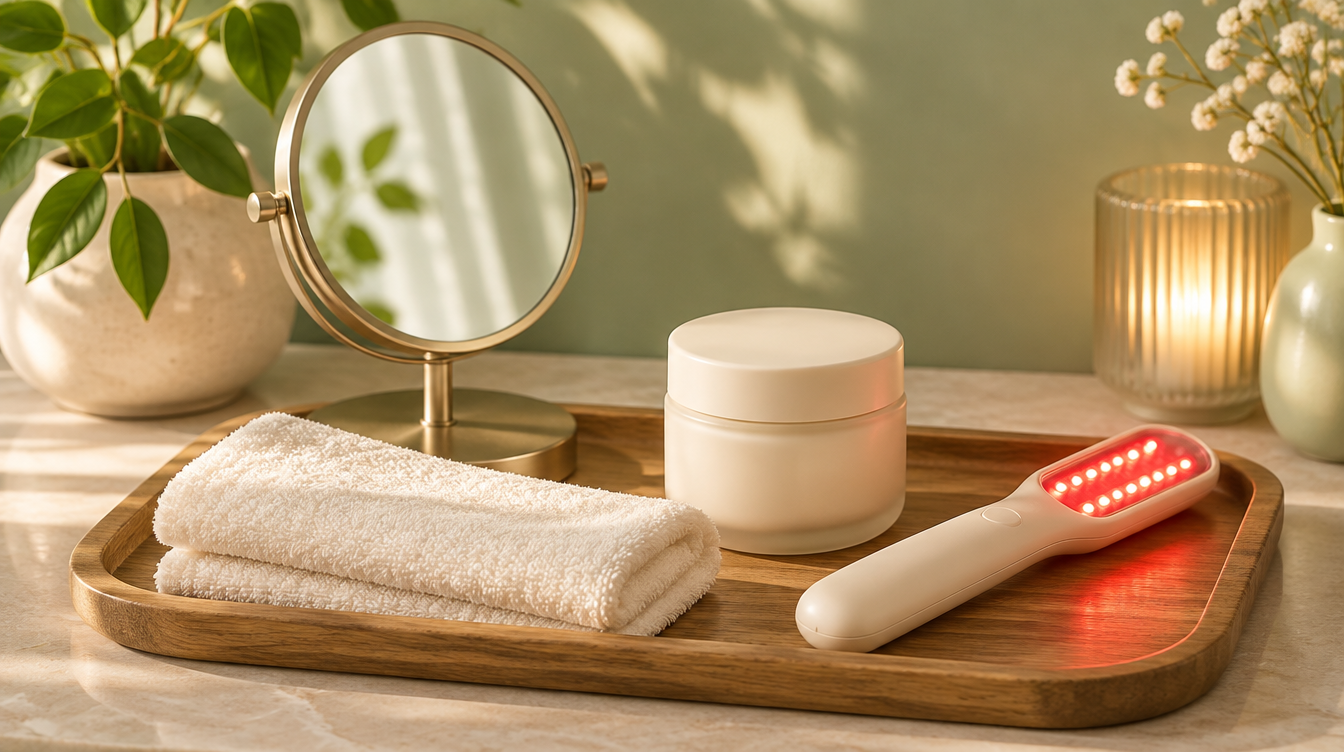
At Ocean Ki Wellness, we look at skin health as a reflection of whole-body balance. Led by Dr. Jennifer S. Jackson, DACM, MSOM, LMT, our team offers facial rejuvenation, microneedling, gua sha, and Celluma light therapy, which can help support collagen, circulation, and healthy skin renewal. We also offer nutrition guidance to help you build a skin-friendly eating plan, and acupuncture that can help address underlying factors such as stress and hormonal shifts, which may play a role in concerns like melasma. Whether you visit our Middletown, RI office at 136A W Main Rd or our Warwick, RI office at 189 Toll Gate Rd, two minutes from Kent Hospital, we will create a plan tailored to your skin and your goals.
Ready to start? Book your visit at Ocean Ki Wellness and let us help you care for your skin from the inside out.
Visit Ocean Ki Wellness
We accept insurance — check your coverage free before your first visit. Ocean Ki is in-network with Blue Cross & Blue Shield of Rhode Island.
Call (401) 862-4894 or book your visit at Ocean Ki Warwick. We also see patients at our Middletown office.
Related reading: Microneedling in Rhode Island: Pairing It With Celluma Light and Facial Acupuncture · Nanoneedling vs Microneedling vs Microdermabrasion: Which Is Right for You?
Looking for supplement support? Browse Dr. Jen's picks in the Ocean Ki Wellness Shop — supplement plans organized by what's bothering you, with free U.S. shipping.
This article is for informational purposes only and is not medical advice. Talk with your healthcare provider before making changes to your diet, supplements, or treatment.


Comments